

Sub-Cycle Forensic Observability. Nothing Else Comes Close.
The LIS™ Engine identifies equipment-killing transients, harmonic stress, and structural inefficiencies that SCADA systems, power flow models, and conventional energy audits are architecturally incapable of detecting.
WHO WE SERVE: Any operator running mission-critical electrical infrastructure — hyperscale AI data centers, utilities, federal facilities, and industrial operators — where what happens between SCADA samples is where the damage occurs.
THE DIFFERENCE: This is not a smarter energy audit. It is not an AI anomaly detector. It is deterministic, physics-based forensic analysis at 1 kHz — 900× faster than conventional monitoring — producing causal explanations a PE can sign and a regulator can accept.
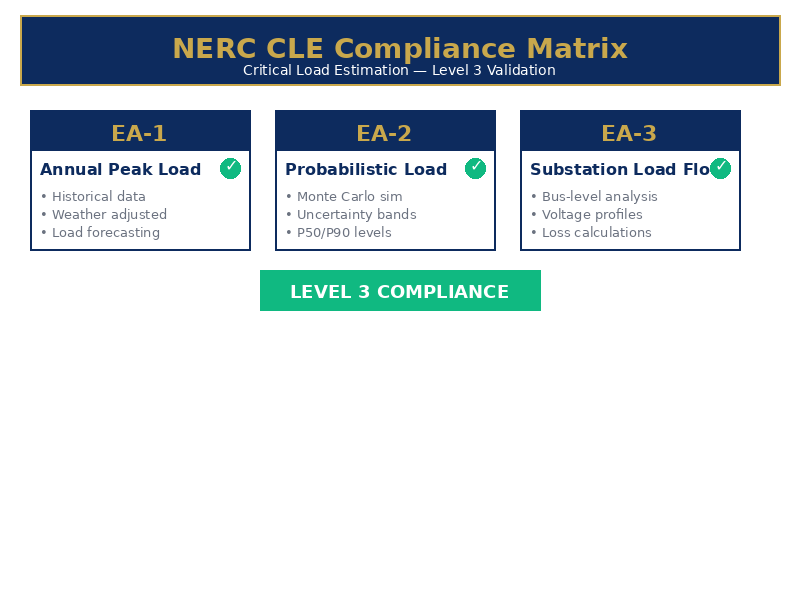
WHAT WE DELIVER: Real-time equipment stress quantification. Ratchet clause exposure identification. NERC CLE compliance documentation. IEEE 519-2022 harmonic assessment. Patent-pending.
|
1 kHz
SUB-CYCLE RESOLUTION
|
PHYSICS-BASED
DETERMINISTIC
|
IEEE
PATENT PENDING
|
Projected savings for a representative 50 MW data center scenario: $504K/year — View Reference Scenario
Flexible engagement options starting at $2,500

About LIS Analytics
Forensic Engineering for the Electrical Grid – We identify structural inefficiencies in electrical distribution networks that conventional energy audits cannot detect—wasted capacity you’re already paying for but not using.
Modern electrical infrastructure faces a monitoring crisis. GPU cluster initialization events, harmonic resonance, and neutral conductor thermal stress occur in milliseconds. Conventional SCADA systems sample every 15 minutes. Everything in between is invisible — until equipment fails.
As the grid transitions toward inverter-based resources and faces unprecedented demand from AI data centers and electrification, distribution network integrity is no longer optional—it’s a prerequisite for reliability. We help facility operators reclaim capacity from their existing infrastructure rather than waiting years for new supply.
Our forensic reports provide the deterministic, physics-based analysis required for federal energy performance contracts (ESPC), NERC compliance documentation, and DOE FEMP program applications. Every finding is anchored to live government data sources and validated against IEEE standards.
We serve federal installations, U.S. Army Corps of Engineers, military bases, municipal governments, energy service companies, utilities, and commercial and industrial clients across the United States and Canada. Download our Capabilities Statement.
Our Services
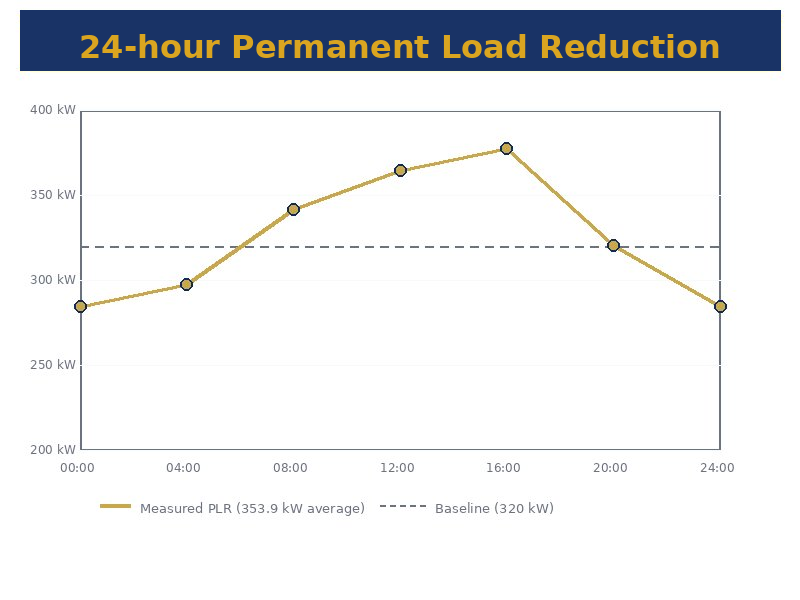
Forensic Electrical Engineering Analysis
Physics-based power flow simulation using the patent-pending LIS™ Engine to model electrical distribution networks at the nodal level. Our forensic electrical engineering methodology quantifies Permanent Load Reduction (PLR) — the structural waste permanently embedded in your network — with results anchored to live EIA, EPA, NERC, and NRCan government data sources.
Structural Waste Identification and Elimination
Comprehensive forensic assessment that pinpoints structural inefficiencies causing permanent demand overcharge at every node in your distribution network.We identify which nodes are operating below engineering efficiency thresholds, quantify the financial impact across four revenue streams — energy, demand charges, ratchet clauses, and carbon avoidance — and deliver a forensic report suitable for federal audit defense.
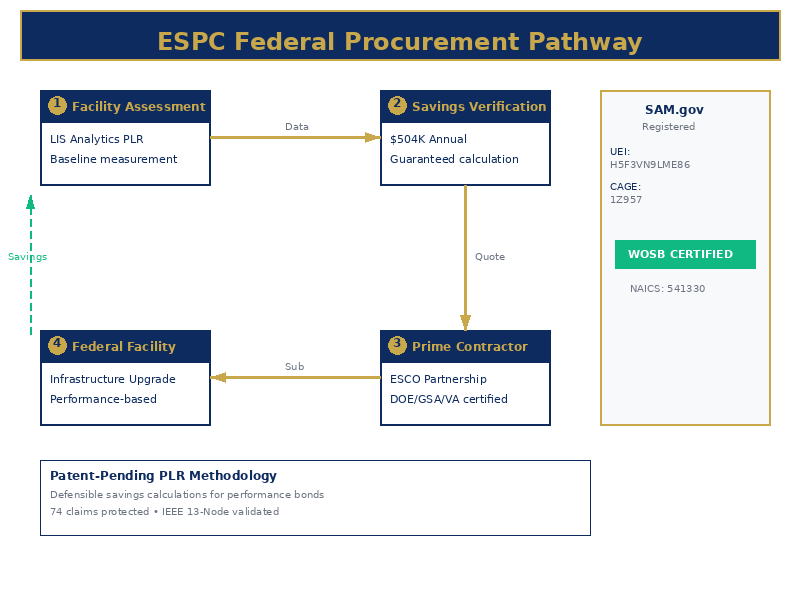
ESPC and Federal Performance Contract Support
ASHRAE Guideline 14 and IPMVP Option B compliant measurement and verification baselines for Energy Savings Performance Contracts. Our Tier 1 forensic report at $9,500 falls under the federal simplified acquisition threshold and is purchasable on a government credit card — no formal contracting process required to get started.
Flexible engagement options starting at $2,500
THE LIS ENGINE
Patent-Pending Analytics for Substation Optimization
The LIS Engine Calculates:
✓ Validated against IEEE 519-2022 harmonic load profiles
✓ Parameterized from published U.S. and Canadian government databases